3 Day Tanzania safari
Visit: Tarangire, Ngorongoro and Lake Manyara
View Visit: Tarangire, Ngorongoro and Lake Manyara
View
Visit: Tarangire, Serengeti and Ngorongoro Crater
View
Visit: Tarangire, Serengeti and Ngorongoro Crater
View
Visit: Tarangire, two Serengeti nights, crater and Manyara
View
Visit: Tarangire, three Serengeti nights and Ngorongoro
View
Visit: four Serengeti nights, Tarangire and the crater
ViewTell us dates, travellers and style. A safari specialist replies from Arusha.

Camera-trap surveys and lion/cheetah identification with the Serengeti monitoring team
View
Nyamwezi beekeepers, traditional hives, a honey harvest and a private balloon flight over the Ugalla miombo
View
A working tanzanite mine, a gemstone workshop and Tanzania's wider mineral story
View
Bujora Sukuma Museum, royal drums and a dance performance on Lake Victoria
View
Meet mninga, the "bloodwood" tree, in the Tabora miombo
View
East Africa's largest limestone cave system, near Tanga
ViewTell us dates, travellers and style. A safari specialist replies from Arusha.

Fly to Tarangire, Ngorongoro and Manyara, then back to the island
View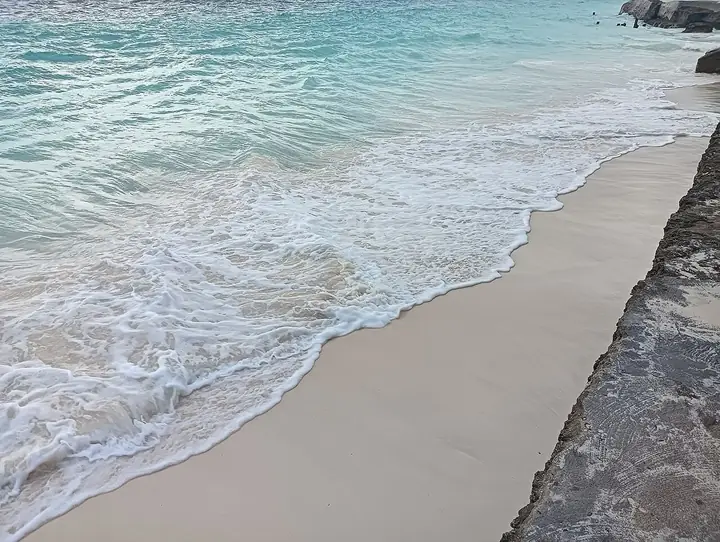
Five safari days, then three nights on Zanzibar
View
Stone Town, a spice farm, then the north coast — no safari days
View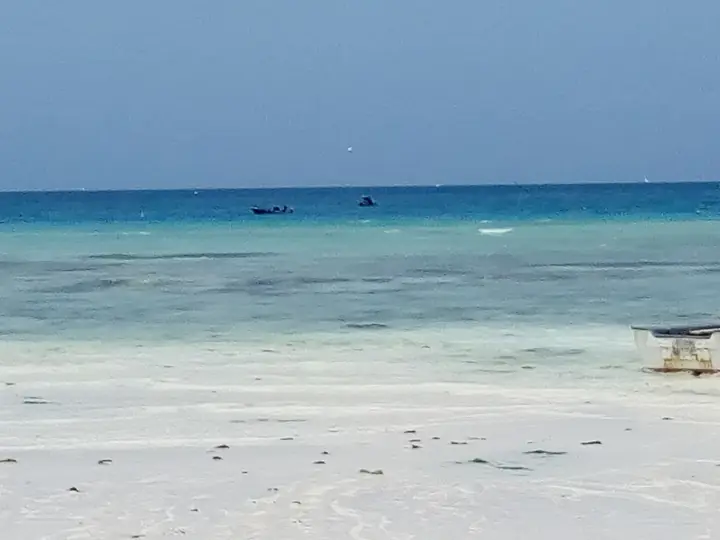
Six safari days, Manyara, then four nights on the island
View
Northern circuit plus five nights on Zanzibar
View
Arusha-start safari you can add after a beach stay
ViewTell us dates, travellers and style. A safari specialist replies from Arusha.
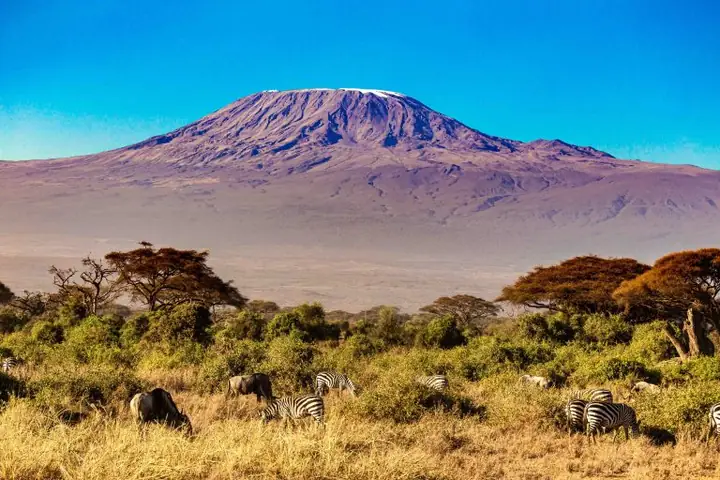
Marangu, Machame, Lemosho, Rongai and Umbwe routes
View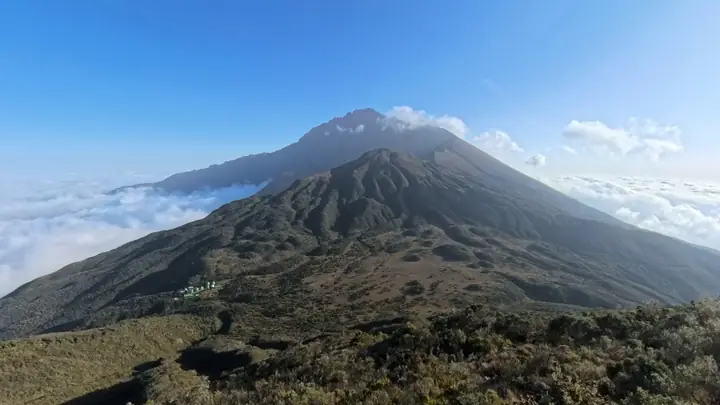
4-day trek on Tanzania’s second-highest peak
View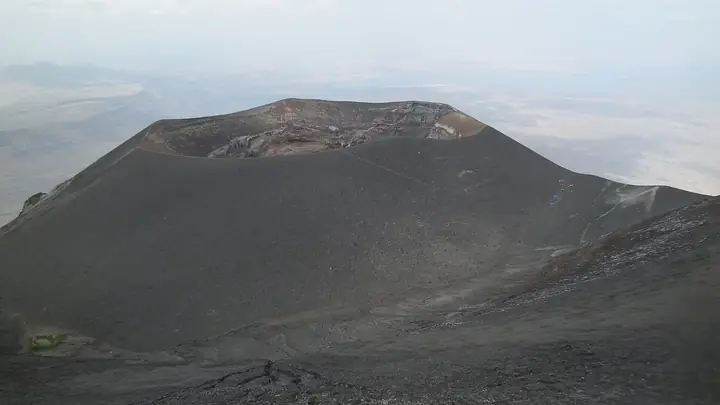
3-day climb of the Maasai Mountain of God
ViewTell us dates, travellers and style. A safari specialist replies from Arusha.

Northern circuit parks, Kilimanjaro and the coast
View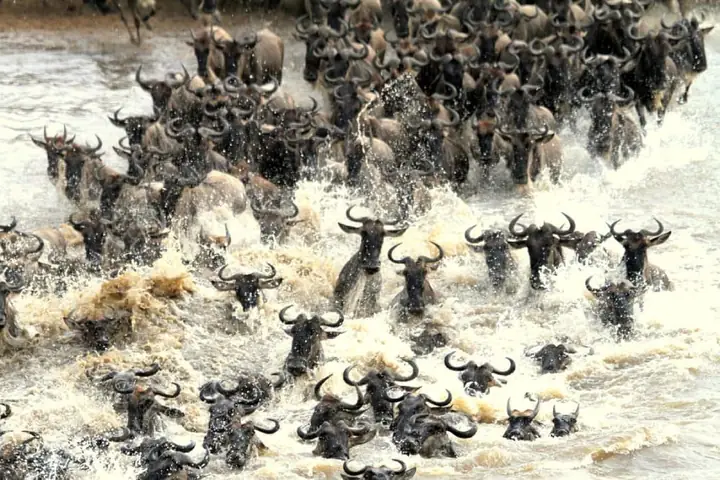
Masai Mara, Amboseli, Samburu, Tsavo and Kenya safari extensions
View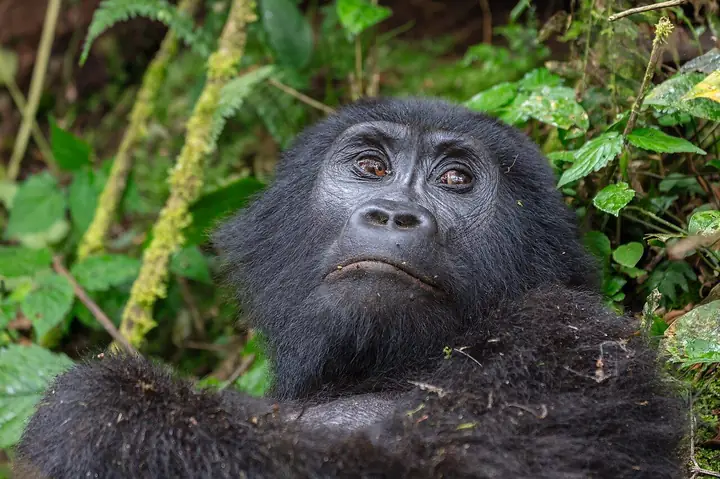
Bwindi gorillas, Kibale chimps and Queen Elizabeth
View
Stone Town, spice farms and beach stays
View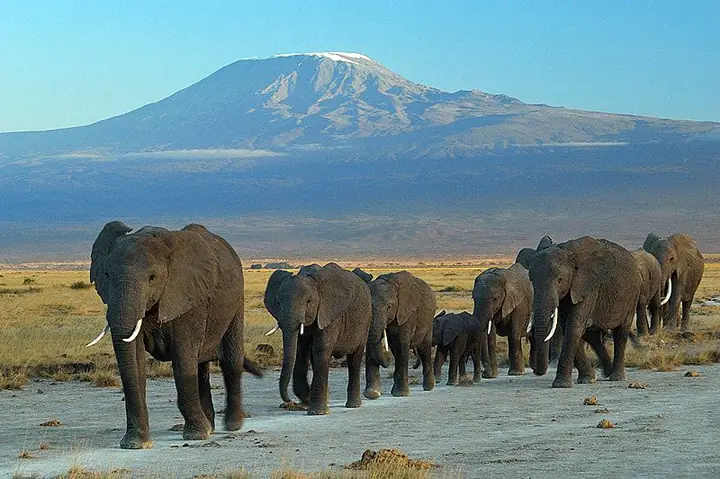
Two or more countries on one itinerary
ViewTell us dates, travellers and style. A safari specialist replies from Arusha.
Fly to Tabora to walk the miombo woodland with a forestry guide and meet mninga — the "bloodwood" tree whose timber is Tanzania's finest — alongside mkurungu, mpilipili and the other hardwoods the region is known for.
From $13,800 per personFinal quote depends on travel dates, lodge choice and group size.
Starts in Mount Kilimanjaro and ends in Mount Kilimanjaro.
Start: Mount Kilimanjaro End: Mount Kilimanjaro
Every package has a shareable digital itinerary: overnight notes, the route, and a print-ready PDF view.
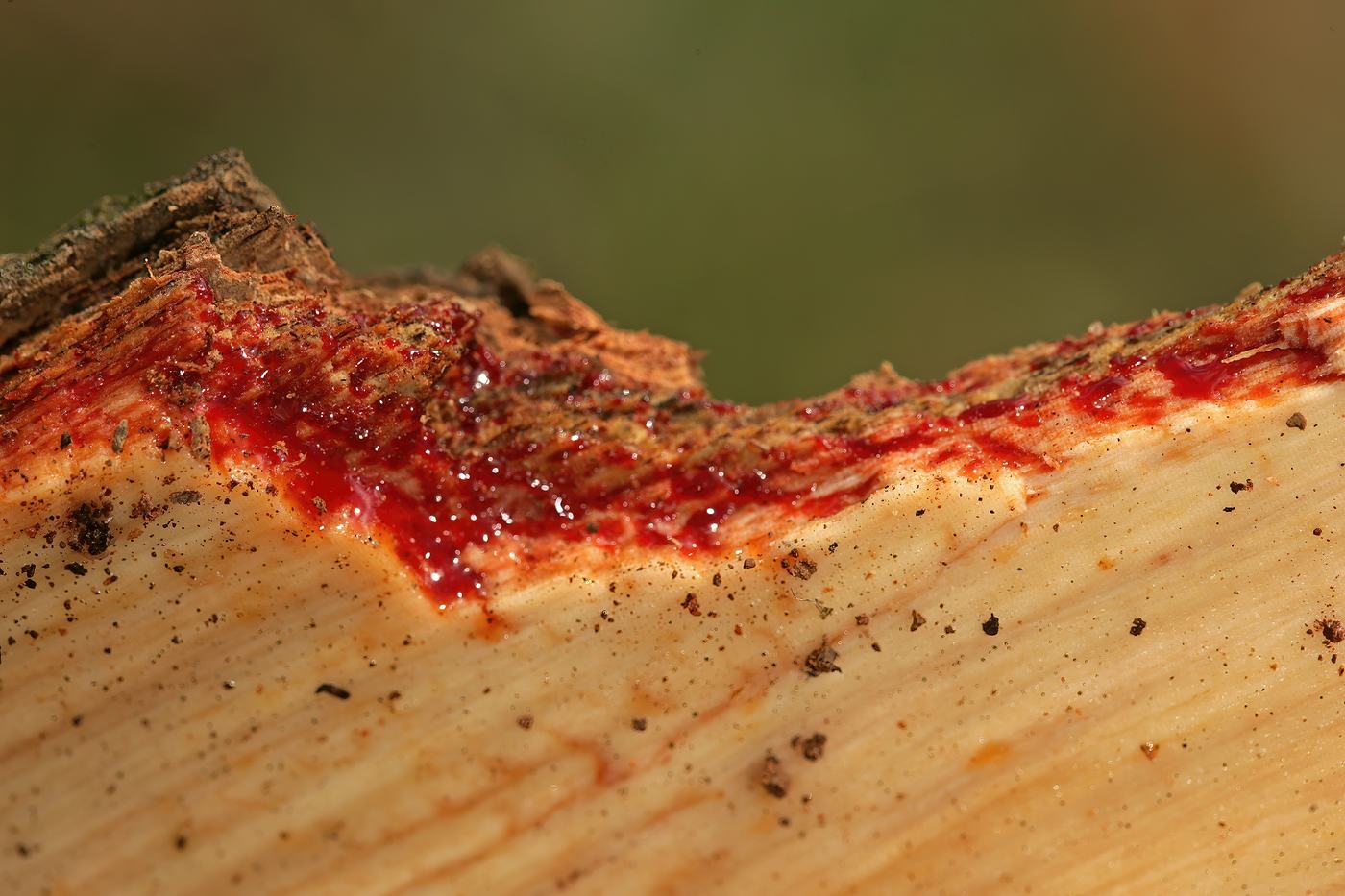
Ask a Tanzanian furniture maker which timber they want most and the answer is usually mninga — Pterocarpus angolensis, the “bloodwood” tree of the miombo woodlands, prized for centuries for its rich colour, its rot resistance and a sap so dark red that cutting the bark looks like an injury. Tabora’s woodlands are one of its strongholds, alongside other valuable hardwoods known locally as mkurungu and mpilipili.
A private vehicle and an Arusha-based Super Luxury Safaris’ Guide travel with you, joined by a local forestry guide for the woodland and workshop days. You will learn to identify mninga by its bark, its “bleeding” sap and its distinctive winged seed pods, walk a real working forest reserve rather than a curated arboretum, and see the timber worked into furniture by hand in a Tabora workshop.
A private transfer to the airport for your scheduled flights via Dar es Salaam to Tabora.
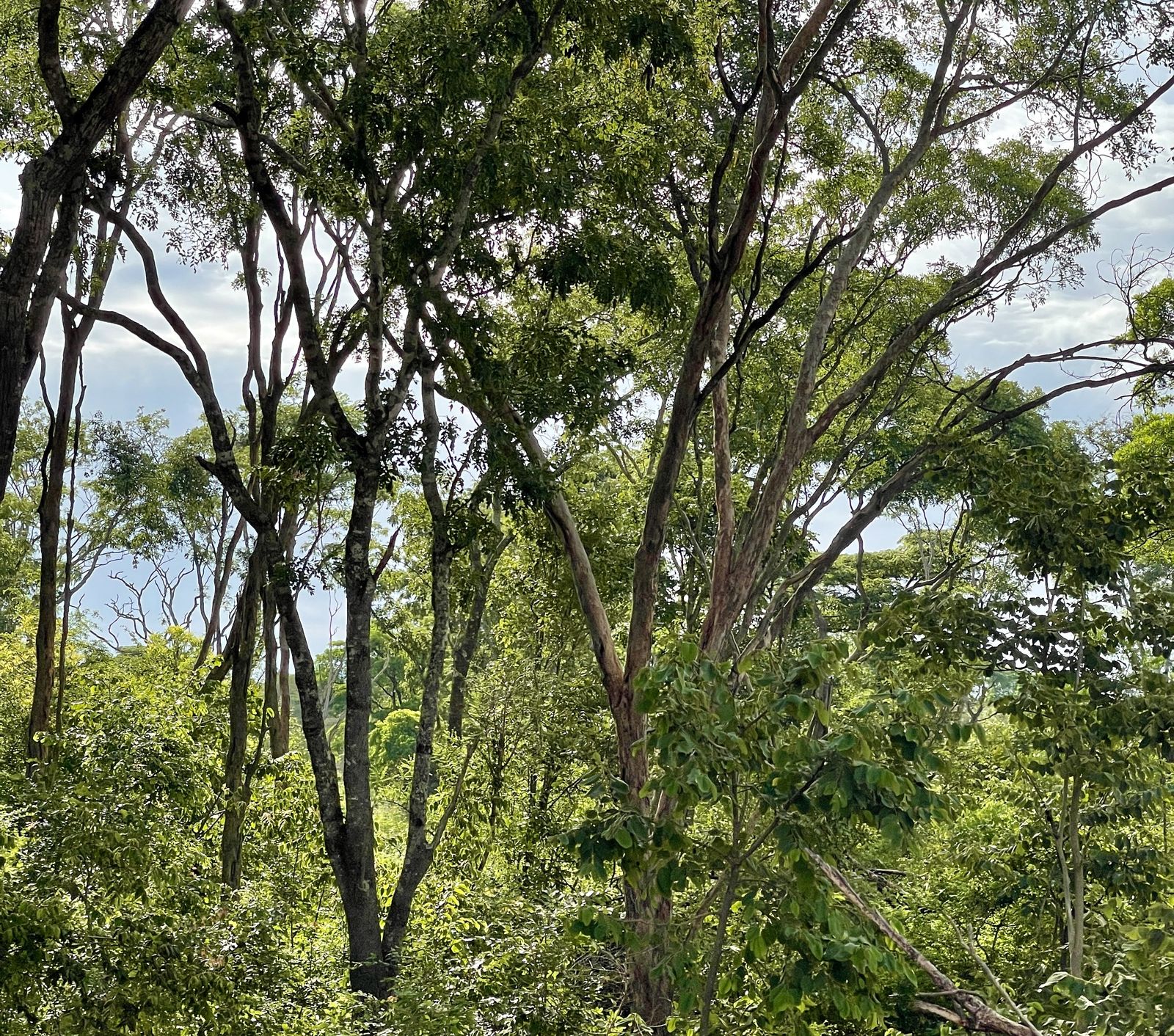
An afternoon arrival and a briefing on the miombo woodland ecosystem — the Brachystegia and Julbernardia trees that dominate it, and the hardwoods, including mninga, mkurungu and mpilipili, that make it economically important.
Overnight in Tabora.
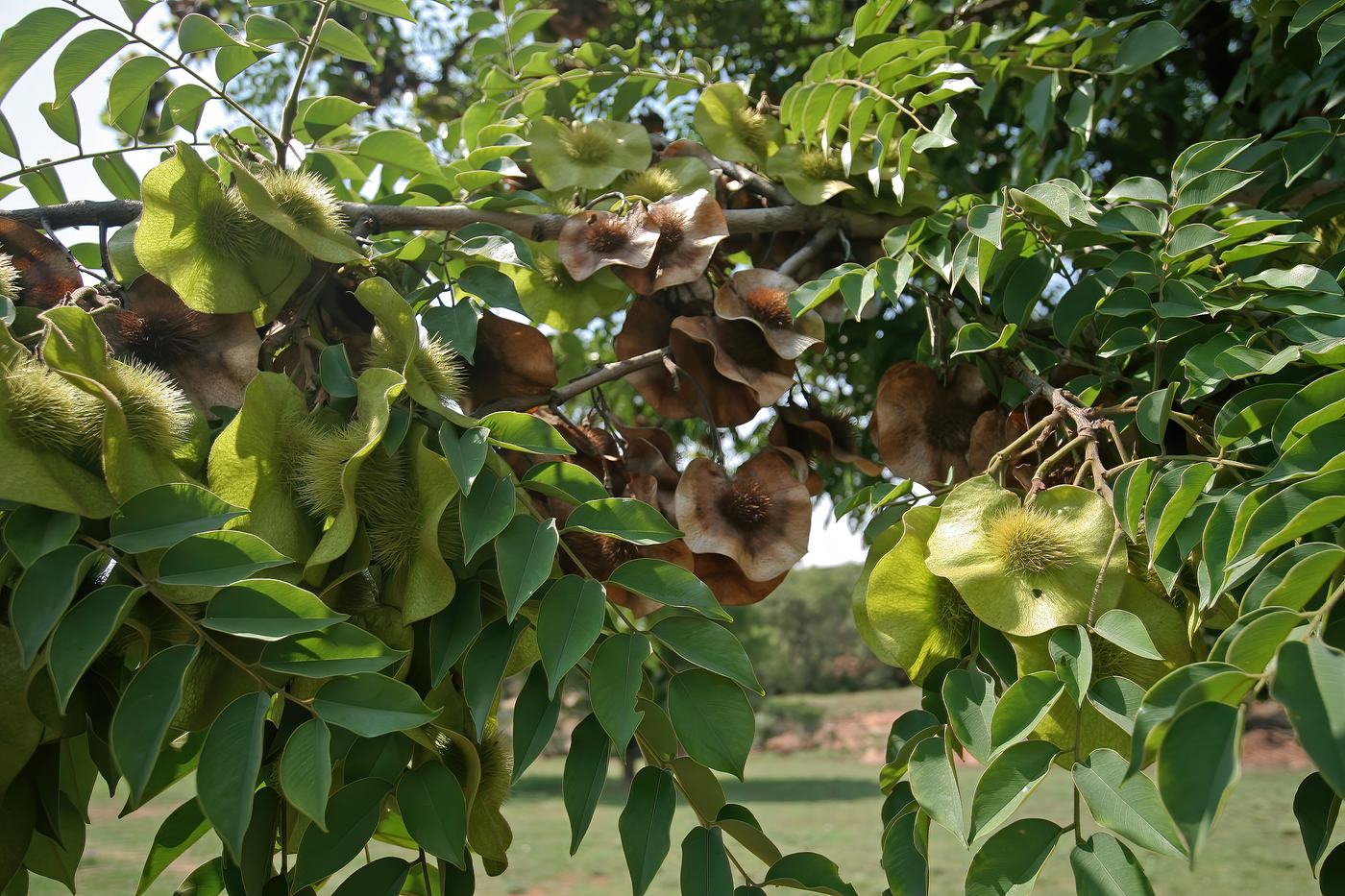
A full day walking the Urumwa Forest Reserve with a forestry officer, identifying mninga by bark, sap and seed pod, alongside mkurungu, mpilipili and the other hardwoods used for furniture, tool handles and traditional beehives.
A firsthand look at both healthy stands and the visible pressure of over-harvesting on a reserve close to town — an honest picture, not just the best trees.
Overnight in Tabora.
A visit to a local carpenter or carver working mninga by hand, seeing how the reddish sapwood and honey-brown heartwood are used differently, and how a wood this valued is worked without power tools in most Tabora workshops.
Time to commission a small, take-home piece if you want one, made while you are still in town.
Overnight in Tabora.
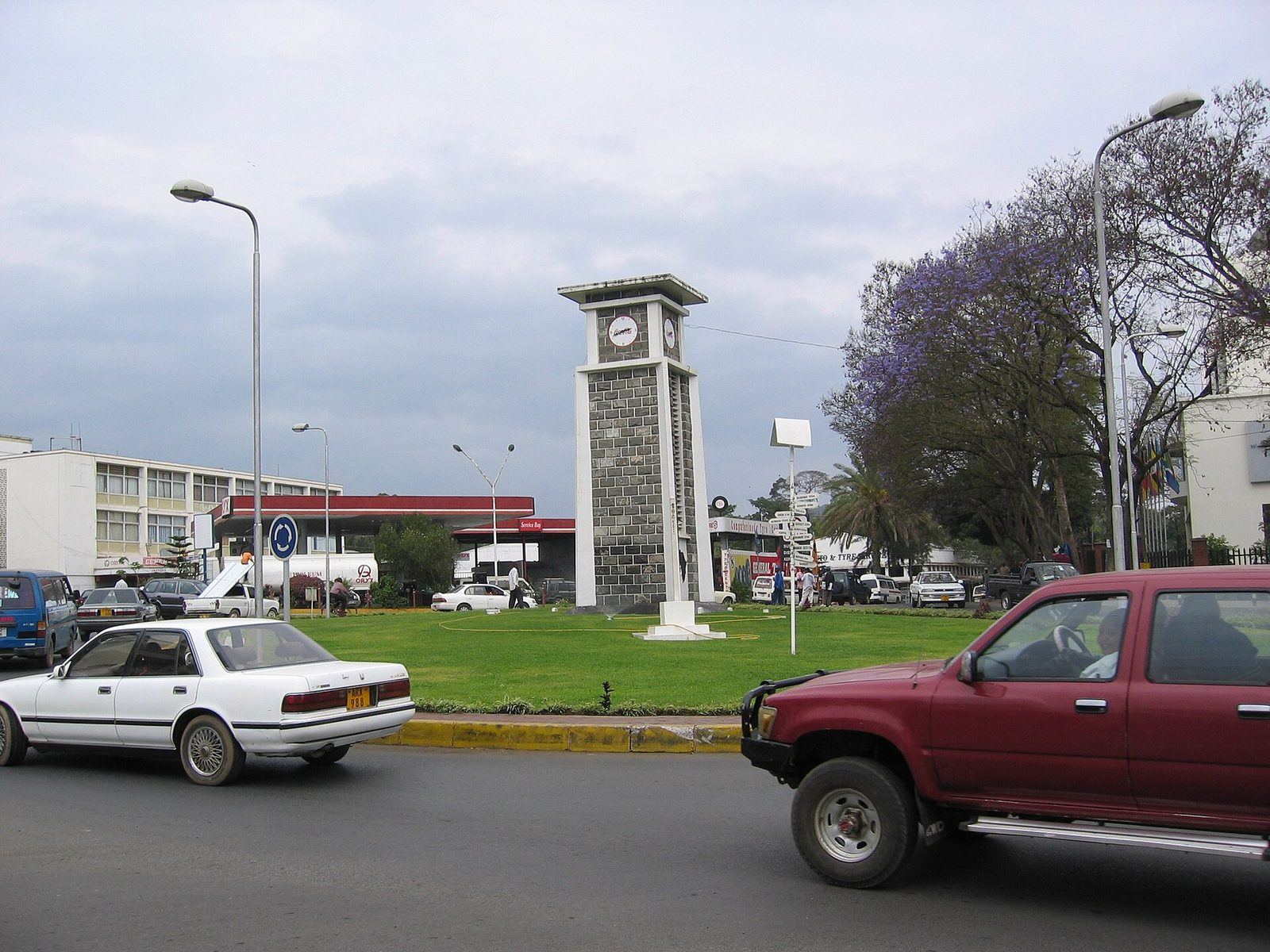
A morning transfer to Tabora Airport for your return flights via Dar es Salaam, which end the safari.
The package
Two separate lists, so you can see what the itinerary price covers before you request a quote.
Covered
In the package price, for the dates and lodge or camp class on your quote.
You arrange these
Budget separately, or ask us to add them to your proposal.
When to travel
Runs year-round. Mninga (Pterocarpus angolensis) flowers briefly at the start of the rains (roughly October–November) just before the new leaves — if that timing lines up with your dates we route the woodland walk to catch it, otherwise the tree, its "bloodwood" sap and its seed pods are identifiable all year.
Before you book