3 Day Tanzania safari
Visit: Tarangire, Ngorongoro and Lake Manyara
View Visit: Tarangire, Ngorongoro and Lake Manyara
View
Visit: Tarangire, Serengeti and Ngorongoro Crater
View
Visit: Tarangire, Serengeti and Ngorongoro Crater
View
Visit: Tarangire, two Serengeti nights, crater and Manyara
View
Visit: Tarangire, three Serengeti nights and Ngorongoro
View
Visit: four Serengeti nights, Tarangire and the crater
ViewTell us dates, travellers and style. A safari specialist replies from Arusha.

Camera-trap surveys and lion/cheetah identification with the Serengeti monitoring team
View
Nyamwezi beekeepers, traditional hives, a honey harvest and a private balloon flight over the Ugalla miombo
View
A working tanzanite mine, a gemstone workshop and Tanzania's wider mineral story
View
Bujora Sukuma Museum, royal drums and a dance performance on Lake Victoria
View
Meet mninga, the "bloodwood" tree, in the Tabora miombo
View
East Africa's largest limestone cave system, near Tanga
ViewTell us dates, travellers and style. A safari specialist replies from Arusha.

Fly to Tarangire, Ngorongoro and Manyara, then back to the island
View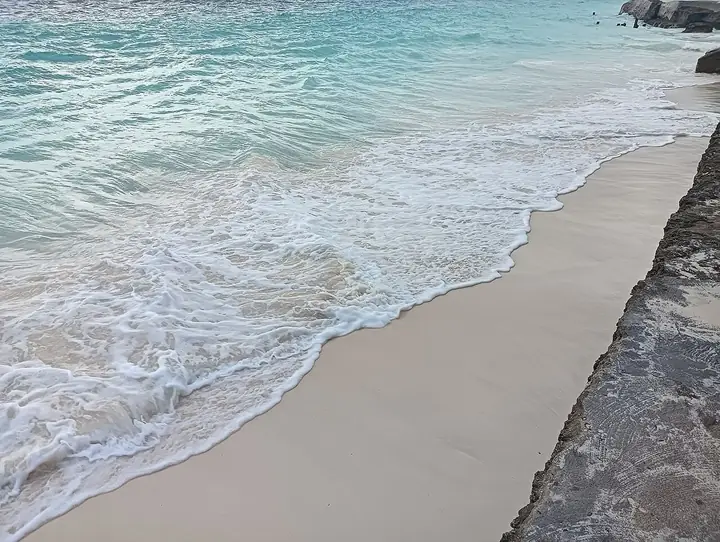
Five safari days, then three nights on Zanzibar
View
Stone Town, a spice farm, then the north coast — no safari days
View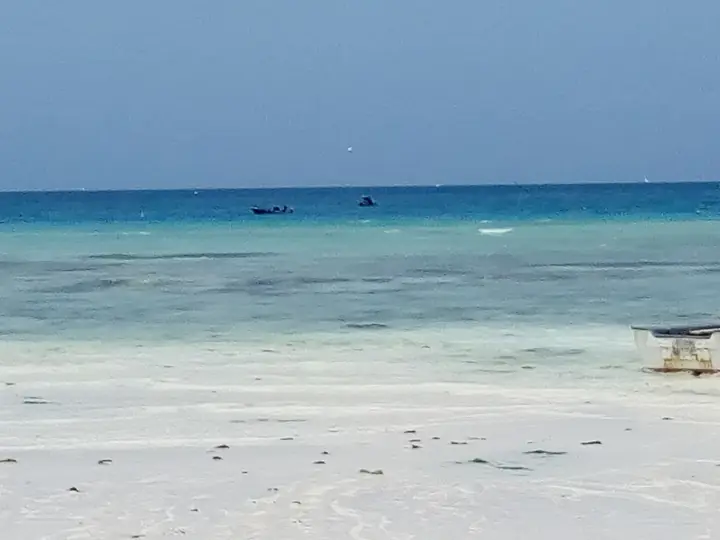
Six safari days, Manyara, then four nights on the island
View
Northern circuit plus five nights on Zanzibar
View
Arusha-start safari you can add after a beach stay
ViewTell us dates, travellers and style. A safari specialist replies from Arusha.
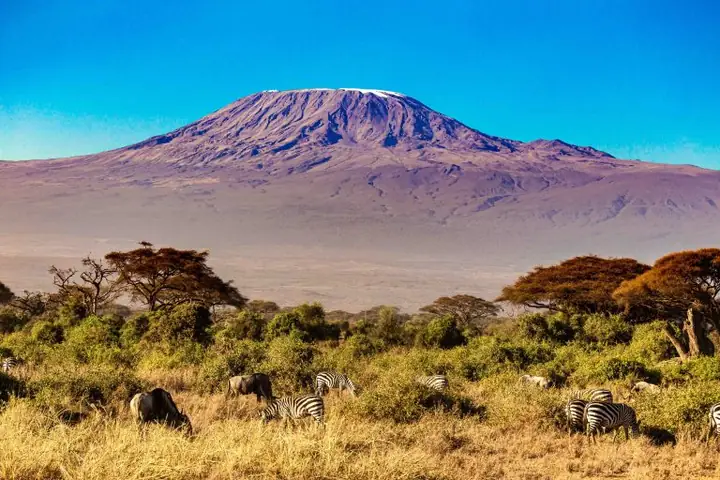
Marangu, Machame, Lemosho, Rongai and Umbwe routes
View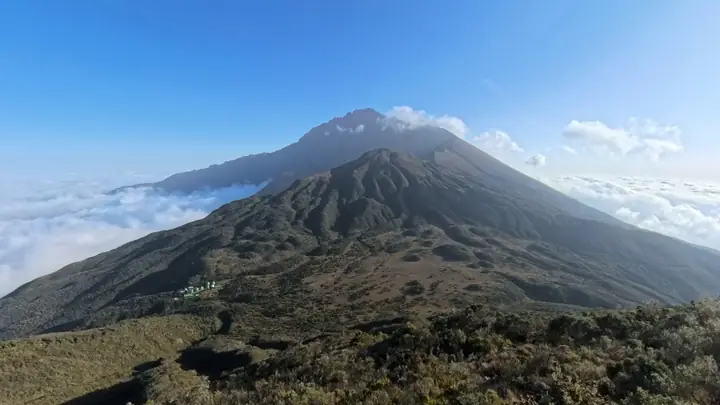
4-day trek on Tanzania’s second-highest peak
View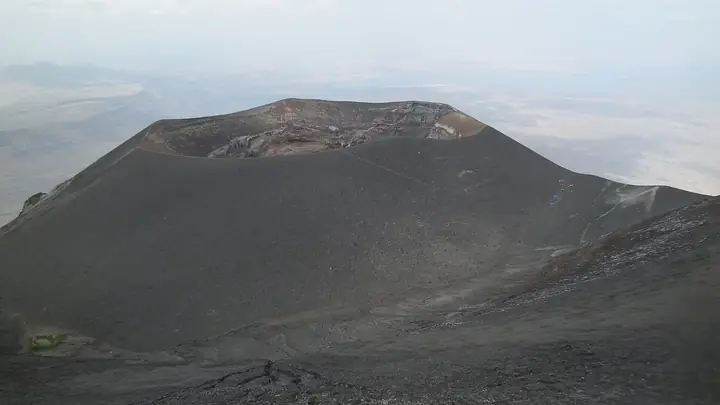
3-day climb of the Maasai Mountain of God
ViewTell us dates, travellers and style. A safari specialist replies from Arusha.

Northern circuit parks, Kilimanjaro and the coast
View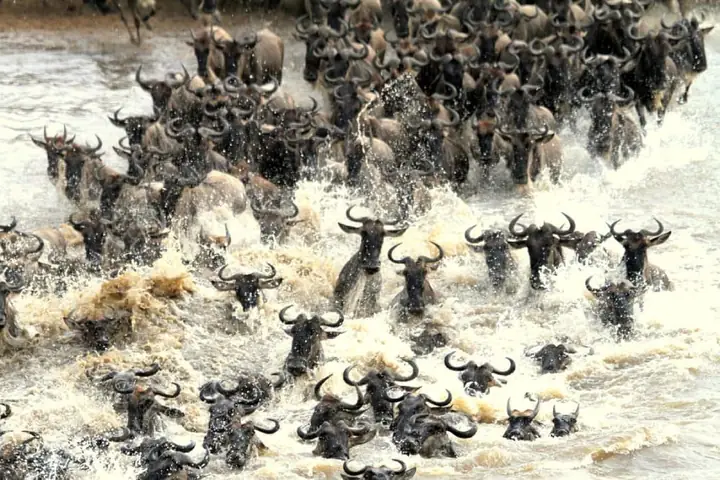
Masai Mara, Amboseli, Samburu, Tsavo and Kenya safari extensions
View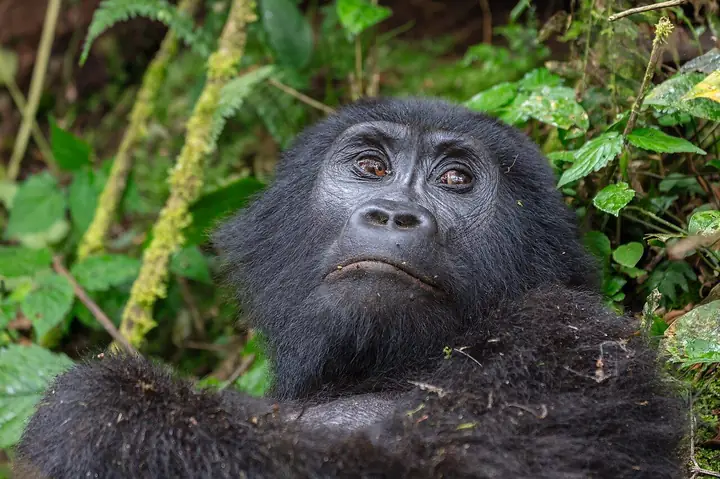
Bwindi gorillas, Kibale chimps and Queen Elizabeth
View
Stone Town, spice farms and beach stays
View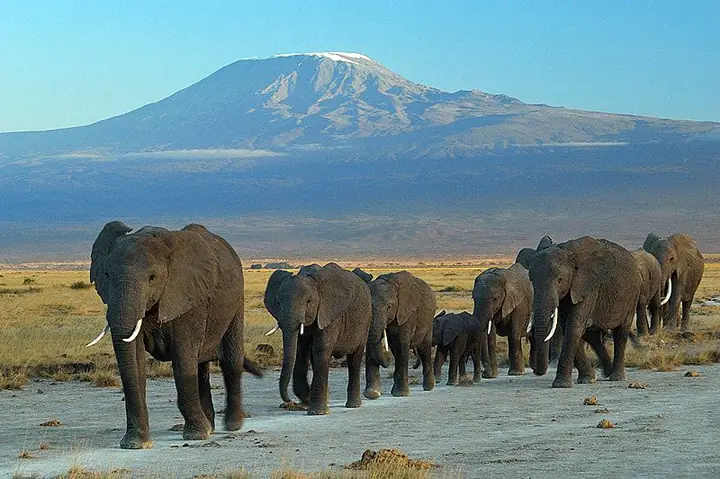
Two or more countries on one itinerary
ViewTell us dates, travellers and style. A safari specialist replies from Arusha.
Fly west to Tabora to spend real days with Nyamwezi beekeepers in the Ugalla miombo woodland: traditional hives hung high in the trees, a honey harvest, a private balloon flight over the forest, and the cooperative that turns it into Tanzania's "liquid gold."
From $18,900 per personFinal quote depends on travel dates, lodge choice and group size.
Starts in Mount Kilimanjaro and ends in Mount Kilimanjaro.
Start: Mount Kilimanjaro End: Mount Kilimanjaro
Every package has a shareable digital itinerary: overnight notes, the route, and a print-ready PDF view.
Most people who say “Tanzania safari” mean the northern circuit. Few have heard of Tabora, and fewer still have stood under a miombo tree strung with a Nyamwezi beekeeper’s log hives, sixty feet up, exactly where his grandfather hung them. This itinerary takes you there: a private research-style safari built around the Tabora Beekeepers’ Cooperative Society and the beekeeping camps that work the Ugalla River’s miombo woodland, one of the most productive honey landscapes in Africa and almost entirely unseen by visitors.
You will not find a game-drive checklist here. What you get instead is time with the people who have kept bees in this forest for generations — how a beekeeper chooses a tree, builds a hive from bark or a hollowed log, hangs it high enough to keep off fire and honey badgers, and returns months later with smoke and a headlamp to bring down a harvest that, cleaned and graded, reaches export markets as genuine organic honey. A private vehicle, an Arusha-based Super Luxury Safaris’ Guide and a local Kinyamwezi-speaking beekeeping guide travel with you throughout.
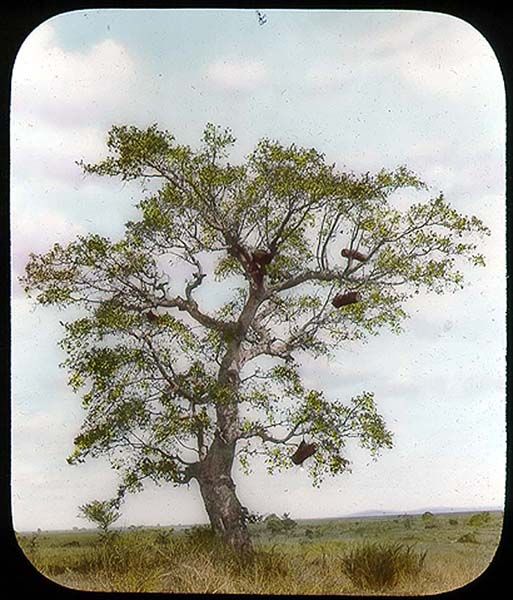
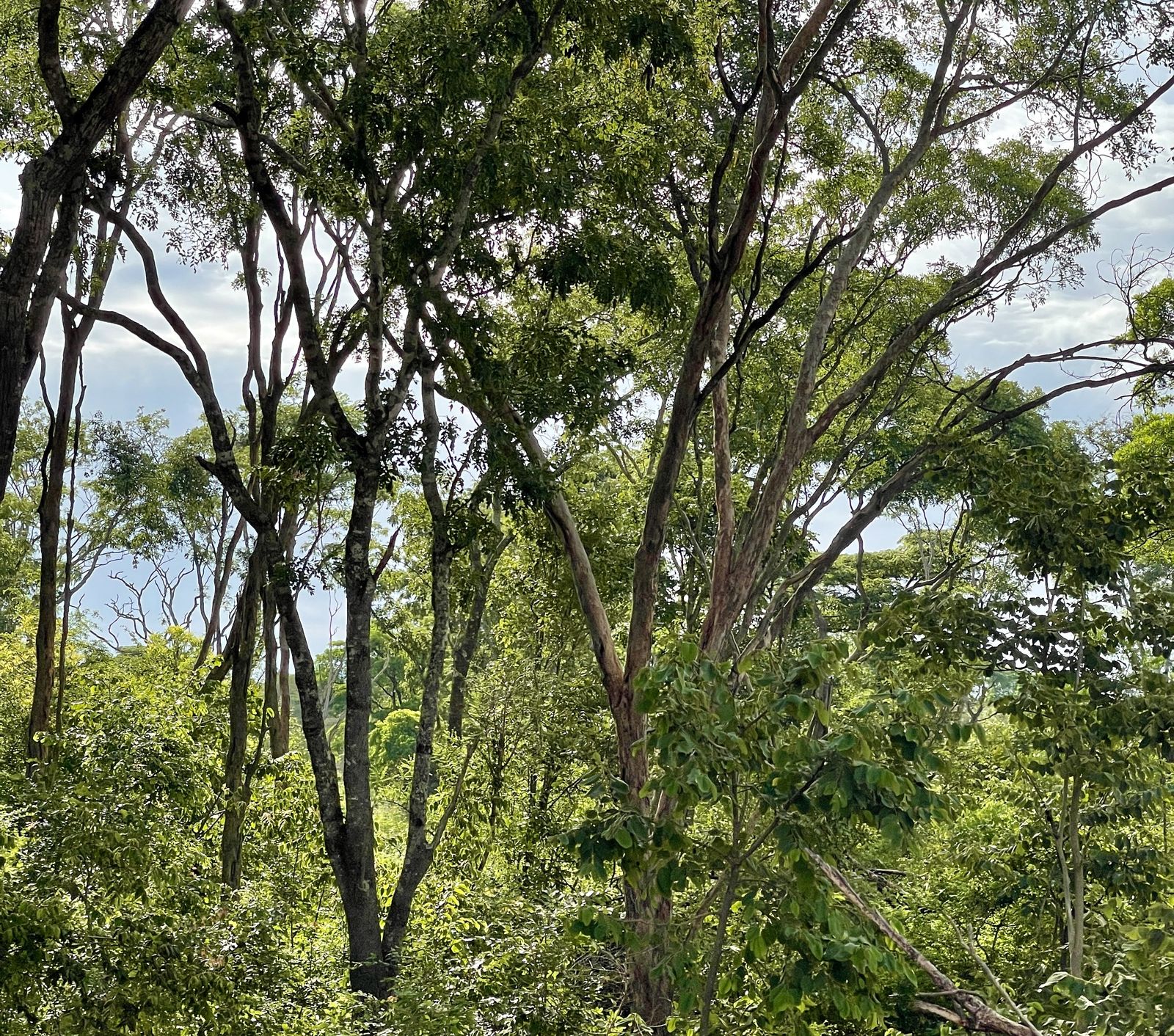
A private transfer to the airport for your scheduled flights via Dar es Salaam to Tabora — the specific connection is confirmed on your quote.
An afternoon arrival, a transfer to your lodge, and a briefing over dinner on the Unyamwezi region, its 19th-century caravan-trade history and the beekeeping economy you have come to see.
Overnight in Tabora, in the lodge class named on your quote.
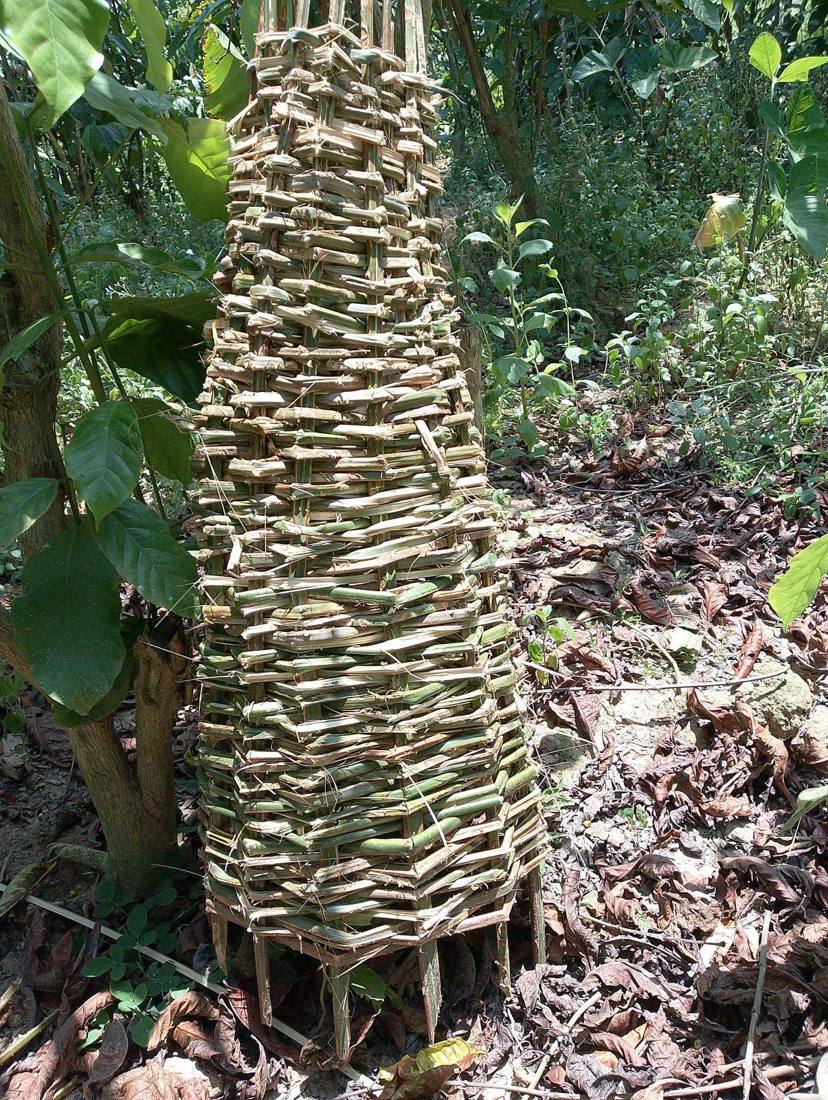
A full day out to a working beekeeping camp with a member of the Tabora Beekeepers’ Cooperative Society: the drive or walk in, and a hands-on look at how log and bark hives are made — never a modern box hive — chosen trees, and hung high in the canopy, an inherited skill usually passed down through a family or clan.
This is fieldwork in an active woodland economy, not a re-enactment — expect a real walk, real heat, and a beekeeper explaining his own hives rather than a script.
Overnight in Tabora.
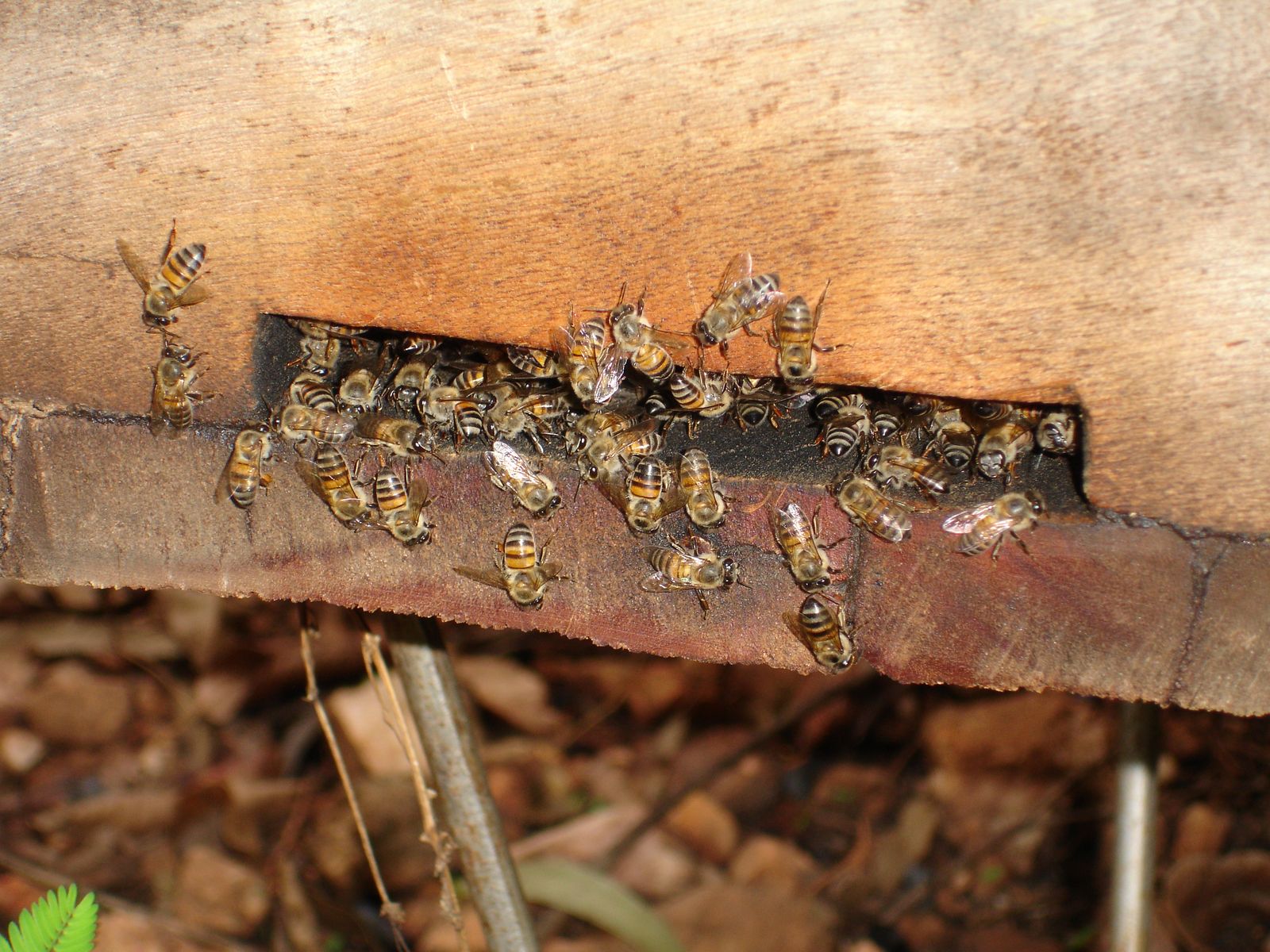
If the season allows, a harvest morning: smoke used to move the colony, a hive brought down, and the honeycomb cut and strained the traditional way, followed by a taste while it is still warm from the hive.
In the afternoon, a visit to the Tabora Beekeepers’ Cooperative Society to see how honey is graded, filtered and prepared for the local and export markets that have made it Tanzania’s best-known “liquid gold.”
Overnight in Tabora.
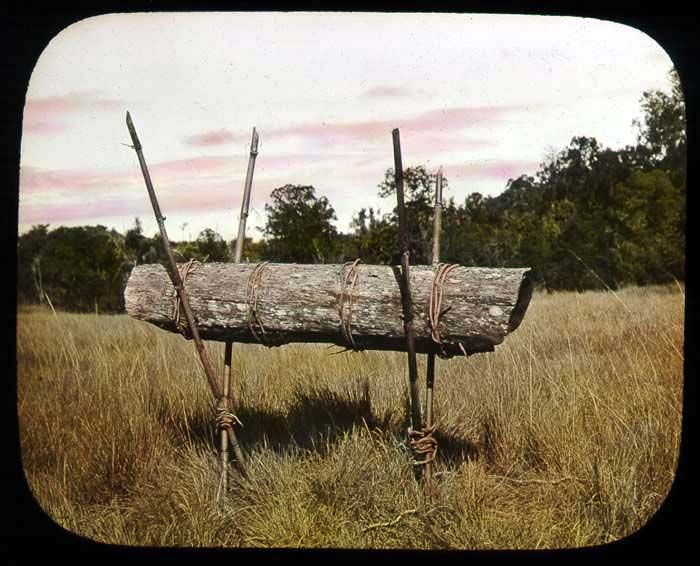
Where the schedule and operator dates allow, a dawn hot-air balloon flight over the Ugalla River miombo — the honey landscape seen from the air, hive trees, the river’s course and the woodland canopy the whole beekeeping economy depends on.
This is a spare day otherwise: held in case a harvest or a cooperative visit needs to move with the weather or the bees’ own schedule, and used for a guided ground walk along the Ugalla River fringe if the balloon is not running on your dates.
Overnight in Tabora.
A morning transfer to Tabora Airport for your return flights via Dar es Salaam, which end the safari.
The package
Two separate lists, so you can see what the itinerary price covers before you request a quote.
Covered
In the package price, for the dates and lodge or camp class on your quote.
You arrange these
Budget separately, or ask us to add them to your proposal.
When to travel
Tabora's beekeepers harvest roughly twice a year, timed to the miombo's flowering rather than the calendar — commonly around June to August after the long rains, with a smaller harvest earlier in the year. We confirm the nearest live harvest date with the Tabora Beekeepers' Cooperative Society once we have your travel dates; outside a harvest window you still see hives, hear the placement and hive-making methods explained on site, and taste the previous batch.
Before you book